
Hearing your dog’s stomach gurgling after eating can sound strange or even concerning, especially if the noises are loud or happen frequently.
Mild stomach sounds are often a normal part of digestion, but excessive gurgling after meals can sometimes point to digestive upset or an underlying medical issue.
Table of Contents
Dog Stomach Gurgling After Eating: Why It Happens
A dog’s stomach may gurgle after eating because food, gas, and digestive fluids are moving through the stomach and intestines during digestion. Mild noises are usually harmless and happen naturally as the digestive tract contracts and breaks down food.
However, louder or more frequent gurgling can occur when dogs eat too quickly, swallow excess air, have food sensitivities, experience intestinal irritation, or develop digestive illnesses such as gastroenteritis or parasites.
If stomach noises happen alongside vomiting, diarrhea, bloating, or appetite changes, the problem may require veterinary attention.
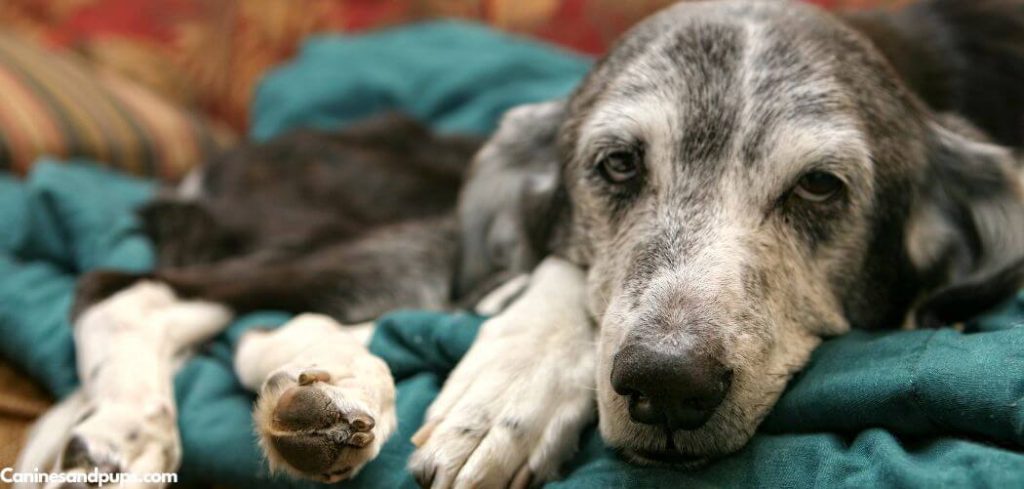
Dog Stomach Gurgling After Eating: Common Causes
Normal Digestion
In many dogs, mild stomach gurgling after eating is completely normal.
As food moves through the digestive tract, the stomach and intestines contract to mix food with digestive enzymes and fluids. These movements naturally create bubbling, rumbling, or gurgling sounds known as borborygmi.
Some dogs simply have louder digestive systems than others, especially after larger meals. You may notice the noises more clearly when the house is quiet or when your dog is lying nearby.
If your dog is eating normally, acting comfortable, and producing healthy stool, occasional stomach sounds are usually nothing to worry about.
Read more: Dog stomach gurgling but acting normal (Here’s Why)
Eating Too Fast
Dogs that eat rapidly often swallow excess air along with their food.
This extra air can create loud gurgling noises as gas moves through the stomach and intestines after eating. Fast eating may also lead to bloating, burping, hiccups, or mild stomach discomfort.
Some dogs become so excited during meals that they barely chew their food before swallowing. Large meals eaten too quickly can place extra stress on the digestive system and occasionally trigger vomiting.
Using slow-feeder bowls, puzzle feeders, or smaller portions can help reduce excessive air swallowing and improve digestion.
Dietary Changes
Sudden changes in diet are a common trigger for stomach gurgling after meals.
A dog’s digestive system often needs time to adjust to new proteins, ingredients, or richer foods. Abrupt changes can disrupt the balance of gut bacteria and increase gas production.
Some dogs also have food sensitivities or mild intolerances that lead to digestive irritation after eating certain foods. Ingredients such as dairy, fatty foods, or specific proteins may trigger gurgling, diarrhea, or gas.
In sensitive dogs, stomach noises may happen consistently after meals and improve once the offending food is removed.
Gastroenteritis
Gastroenteritis refers to inflammation of the stomach and intestines and is another common reason for loud stomach noises after eating.
Dogs may develop gastroenteritis after eating spoiled food, garbage, table scraps, or irritating substances. Viral or bacterial infections can also inflame the digestive tract.
Inflammation increases fluid and gas movement through the intestines, causing noticeable gurgling sounds. Dogs with gastroenteritis often develop vomiting, diarrhea, nausea, reduced appetite, or abdominal discomfort as well.
Mild cases may improve with supportive care, but severe symptoms can quickly lead to dehydration.
Intestinal Parasites
Parasites such as giardia, hookworms, or roundworms can interfere with normal digestion and cause excessive stomach noises.
These parasites irritate the intestinal lining and disrupt nutrient absorption, often leading to gas buildup and increased intestinal activity. Some dogs may also experience diarrhea, weight loss, bloating, or changes in appetite.
Puppies are especially vulnerable to parasite-related digestive issues, though adult dogs can also become infected.
Because symptoms can mimic many other stomach problems, stool testing is usually needed for diagnosis.
Hunger or Empty Stomach
Sometimes stomach gurgling after eating actually begins because the digestive tract was overly empty beforehand.
Dogs that go long periods without food may develop louder stomach contractions due to hunger. When they finally eat, the sudden movement of food and digestive fluids can create noticeable noises.
This is especially common in dogs fed only once daily or in dogs prone to acid buildup when their stomach is empty for too long.
Offering smaller, more frequent meals may help reduce excessive stomach rumbling in these cases.
Read more: Dog stomach gurgling and gassy (Causes explained)
Dog Stomach Gurgling After Eating: What to Do
If your dog’s stomach occasionally gurgles after meals but they otherwise seem healthy, there is often no need for concern. Monitoring eating habits and digestive patterns can help identify whether the noises are normal or becoming excessive.
Try feeding smaller meals more frequently throughout the day instead of one large meal. This may reduce gas buildup and make digestion easier.
Slow-feeder bowls can help dogs that eat too quickly and swallow excess air. Encouraging calmer mealtime behavior may also improve digestion.
Avoid sudden diet changes whenever possible. If switching foods, gradually mix the new food with the old food over several days to help your dog’s digestive system adjust.
Watch for additional symptoms such as vomiting, diarrhea, bloating, abdominal pain, or appetite changes. These signs suggest the stomach gurgling may be linked to a more significant digestive issue.
Make sure your dog always has access to fresh water, especially if mild digestive upset is present.
When to Call or Visit Your Vet
You should contact your veterinarian if stomach gurgling becomes persistent, severe, or happens alongside vomiting or diarrhea.
Loss of appetite, bloating, repeated swallowing, drooling, or signs of abdominal pain should also be evaluated promptly.
Severe bloating, retching without producing vomit, restlessness, or a swollen abdomen may signal gastric dilatation-volvulus (bloat), which is a life-threatening emergency requiring immediate treatment.
Puppies, senior dogs, and dogs with chronic digestive issues should be assessed sooner because dehydration and complications can develop more quickly.
If your dog loses weight, develops chronic diarrhea, or has recurring digestive noises after nearly every meal, further testing may be needed to check for food intolerance, parasites, inflammatory bowel disease, or other intestinal disorders.
Key Takeaway
Dog stomach gurgling after eating is often a normal part of digestion, especially if your dog otherwise feels well and eats normally.
Many cases are linked to swallowing air, mild dietary changes, or natural digestive movement through the intestines.
However, loud or persistent stomach noises combined with vomiting, diarrhea, pain, bloating, or appetite changes may indicate a more serious digestive problem.
Monitoring your dog closely and seeking veterinary care when symptoms worsen can help prevent complications and keep your dog comfortable and healthy.


